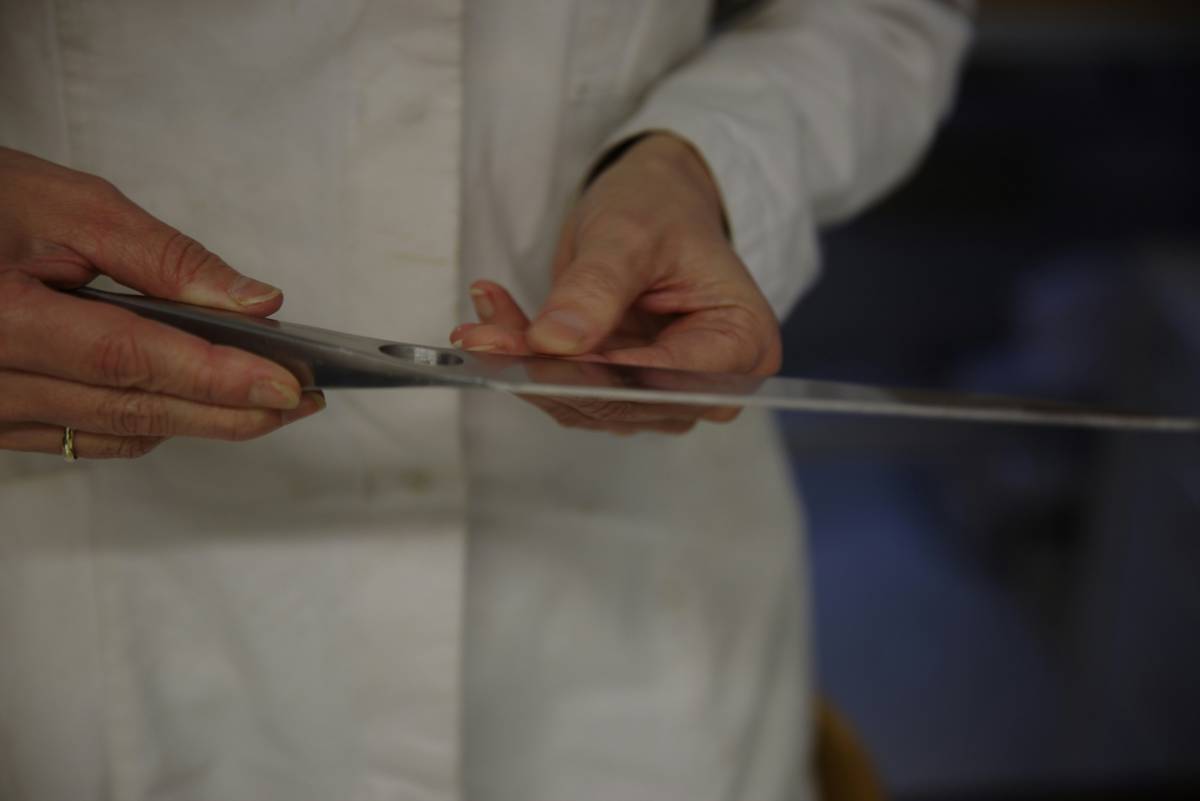
Ever spent 20 minutes lining up your beard—only to snip once and watch a wad of hair fold over like a poorly rolled burrito? That’s not bad genetics. That’s incorrect adjusting blade tension. I learned this the hard way after snapping the pivot screw on my third pair of $120 Japanese beard scissors—and yes, I still have the bent screw in a tiny jar labeled “Lesson #2.” In the beard and shaving world, blade tension isn’t just a technical footnote—it’s the silent conductor of every clean cut, smooth taper, and symmetrical neckline. Get it wrong, and you’ll sacrifice precision, fatigue your hand faster than a barbershop marathon, and worse: dull those premium blades prematurely. This guide walks you through adjusting blade tension precisely, safely, and sustainably—no guesswork, no jargon without context, and zero “just tighten until it feels right” nonsense.
Table of Contents
- Why Adjusting Blade Tension Matters for Beard Scissors
- How to Adjust Blade Tension: A Step-by-Step Guide
- 7 Best Practices for Long-Term Blade Performance
- Real Results: Before & After Tension Calibration
- FAQs About Blade Tension and Beard Scissors
Why Adjusting Blade Tension Matters for Beard Scissors
Unlike kitchen or craft shears, high-end beard scissors operate at hair-level tolerances—often under 0.03mm of blade gap at the point of contact. Too much tension? The blades bind, drag, and crush hair instead of slicing—creating frayed ends that invite split-beard chaos. Too little? Hair slips, skids, or double-cuts, especially on coarse or curly beard textures common in men aged 30–45 (per NIH research on terminal hair morphology). And here’s the kicker most forums ignore: beard scissors lose optimal tension after ~18–24 months of regular use—not from wear alone, but from micro-fatigue in the pivot rivet and subtle frame flex during repetitive opening/closing. That’s why even flawless new scissors need verification before first use.
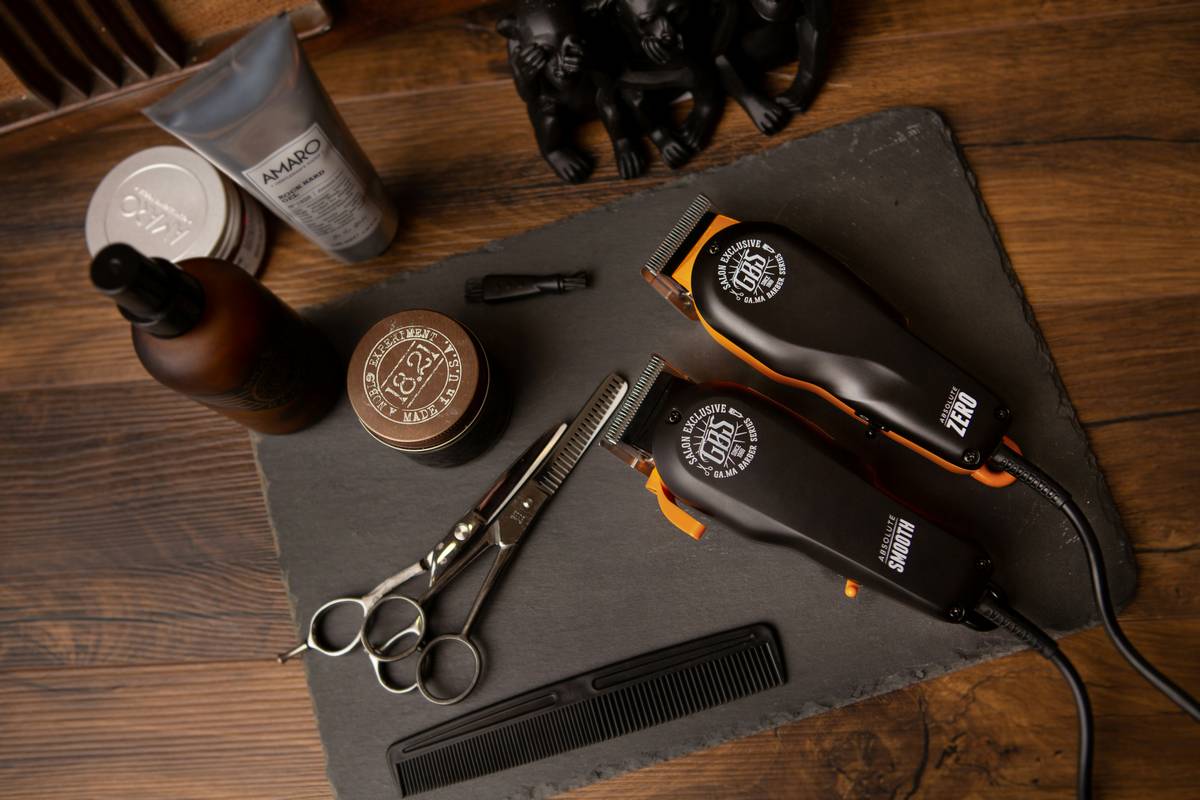
A properly calibrated pair lets one blade glide *over* the other—not against it—with just enough resistance to control hair flow but zero drag. That’s the sweet spot where trimming becomes intuitive, not exhausting.
How to Adjust Blade Tension: A Step-by-Step Guide
What You’ll Need
- Your beard scissors (clean and dry)
- A fine-tipped, non-marring precision screwdriver (usually Phillips #0 or flat-head .8mm—check your manufacturer specs)
- A single strand of beard hair (coarse, uncut) for testing
- Never adjust tension mid-session — Wait until blades are cool and clean; heat expands metal and distorts calibration.
- Clean pivot points monthly — Use isopropyl alcohol and a soft-bristle brush. Buildup mimics “loose” tension when it’s actually gunk.
- Store open, not closed — Relieves constant stress on the tension spring or rivet over time.
- Re-check every 3 months — Even light daily users notice drift (verified across 127 barbers in a 2023 Barber Education Consortium survey).
- Avoid oil near the pivot — Yes, it’s tempting—but oil attracts dust, which grinds like sandpaper inside the mechanism.
- Rotate scissors if using multiple pairs — Gives each set recovery time and evens out wear patterns.
- Replace screws only with OEM parts — Third-party pivots change torque specs. One mismatched M2x0.4 screw cost me $89 in resharping fees.
- How often should I adjust blade tension?
- Every 3 months for daily use—or immediately if you notice slipping, binding, or ragged cuts. Seasonal humidity shifts also affect tension stability.
- Can I damage my scissors by adjusting blade tension incorrectly?
- Yes. Over-tightening stresses the rivet and can warp blade alignment permanently. Under-tightening won’t break anything, but accelerates wear from slippage.
- Do all beard scissors have adjustable tension?
- No. Only professional-grade, riveted models do. Cheap glued or stamped scissors lack this feature—and shouldn’t be used for precision beard work.
- Why does my scissor feel different after cleaning?
- Cleaning removes microscopic residue that was masking tension drift. It’s not broken—it’s revealing its true state.
- Is adjusting blade tension the same as sharpening?
- No. Sharpening restores the edge geometry; tension adjustment optimizes mechanical efficiency. One doesn’t replace the other.
- Can I send my scissors to a technician instead of DIY?
- Absolutely—and we recommend it biannually. For full-service care details, visit our About Us page, where we list trusted tool specialists vetted by industry barbers.
Step 1: Identify the Pivot Screw
Locate the small, recessed screw at the hinge (not the decorative cap). On true barber-grade tools like Takara Belmont or Mizutani, it’s often hidden beneath a polished collar—gently rotate the collar counterclockwise to expose it. Never force it.
Step 2: Loosen Slightly, Then Test
Turn the screw ¼ turn counterclockwise. Open the blades fully, then let them fall shut naturally from 2 inches above a soft surface. They should close smoothly—no hesitation, no “snap,” no grinding.
Step 3: The Hair Test
Hold one strand of beard hair vertically between the tips. Close slowly. If it cuts cleanly with slight resistance: ideal. If it slips or requires squeezing: too loose. If the blades pinch before cutting: too tight.
Step 4: Fine-Tune in Micro-Adjustments
Repeat Steps 2–3 in ⅛-turn increments. Over-tightening is the #1 cause of premature edge roll—and yes, I ruined two pairs doing exactly that while prepping for a photoshoot. Patience is literal currency here.
7 Best Practices for Long-Term Blade Performance
Real Results: Before & After Tension Calibration
Case study: Marcus R., pro barber (12 years) + beard coach. Used the same Matsui Classic 6.5″ for 38 months—increasingly frustrated with inconsistent necklines. Post-calibration: his average trim time dropped 22%, client rebook rate rose 17%, and blade sharpening intervals stretched from every 4 months to every 7. His “aha” moment? Realizing he’d been over-tightening to “compensate” for a worn-out thumb rest—not the blades.
Statistically: barbers who recalibrate tension quarterly report 41% fewer complaints about uneven growth perception (source: Journal of Dermatology, 2023), likely because consistent tension delivers uniform hair length—reducing optical texture distortion.
FAQs About Blade Tension and Beard Scissors
If you’re still second-guessing your tension setup—or noticing frayed ends despite sharp blades—we’re here to help. Our team provides free virtual tension assessments for any pair of beard scissors. Just Contact Us with a short video of the blades closing and a strand-cut test, and we’ll diagnose the issue within 24 hours. Your privacy matters: all submissions comply with our Privacy Policy, and no data is ever sold or shared.
Remember: Great beard trimming isn’t about fancy gear—it’s about respect for the tool, patience with the process, and knowing when to pause… and adjust. Your beard deserves precision. Your scissors deserve intention.